
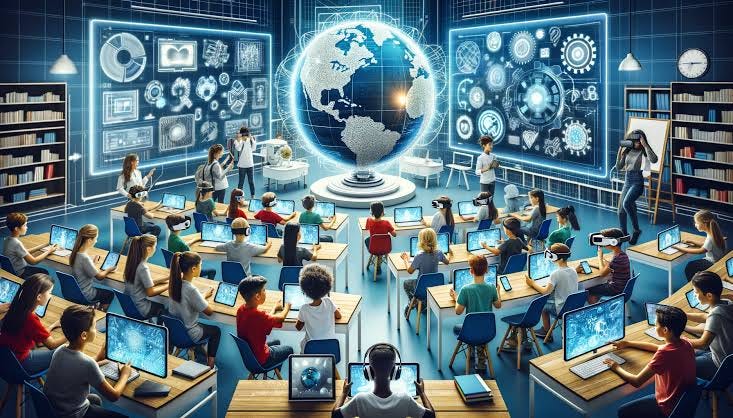
Rapid advances in technology are creating massive changes to higher education. Colleges around the globe are evaluating how students learn, teachers teach and schools run; not simply adding digital tools but rather adapting the entire learning experience for modern jobs – including making classes more flexible with regard to attendance times or easier accessing it online groups and different forms of communicating can affect how students display themselves – for instance digital expressions such as Hidden Face DPs show this trend more than anything.
Technology Lies At The Core Of Classroom Innovation
Walls and people no longer define a classroom; virtual laboratories, simulation tools, interactive software applications and video-based platforms have increasingly become crucial components of modern education. Teachers now utilize such technologies as virtual laboratories, simulation tools, interactive software applications and video platforms as teaching aids; these enable educators to deliver classes more engagingly and immersively – for instance medical students may use digital simulations before heading out into real clinics; students of literature and the arts might use forms like jaam sharab shayari for creative expression beyond academic discussions – technology allows students to tap their imagination beyond what was taught in school!
Making Access Easier Via Online And Hybrid Models
Online learning used to be something done alone; now it has become a core part of college education. Students are able to study from any location using virtual programs – making education available even to parents, working professionals and those living remote places. Hybrid learning approaches that combine online and in-person classes give students more options, making continuing studies throughout life simpler by making certification exams available without interrupting current professions. Digital platforms and communities continue to emphasize the value of nontraditional education methods – something numerous tech magazines, such as StartupBeat regularly address with articles that discuss how colleges have adjusted to this trend.
Skills Based Education Now The New Standard
Future higher education will focus more on skills-development rather than memorization of facts. Employers now look for graduates with critical thinking abilities, collaborative teamwork skills, problem-solving abilities and change management abilities – traits employers require graduates for. Universities use technology effectively to meet this demand – students may gain real world experience via digital project platforms, internship portals or hands-on software training courses; creative classes need students able to use tech effectively as businesses increasingly use it for marketing communication design data management tasks which is creating graduates equipped with abilities exactly what employers require ensuring employers want from graduates upon graduation.
How AI And Data Impact Learning Outcomes
AI is making education and testing possible in new ways, making AI-powered systems increasingly useful to both education and testing in schools and universities alike. They can assess students’ performances, suggest ways they might do better, identify learning issues early, and even detect issues early. Universities use data-driven insights from AI systems to ascertain which parts of their curriculum function well and need improvement; automating simple projects grading frees instructors up for tasks requiring mentorship or creativity from instructors; while automated grading for simple projects frees instructors up so they can focus on tasks needing mentorship or creativity from instructors; eventually it will help schools create effective student-centric educational experiences over time.
Future Of Global Classroom
Technology is revolutionizing higher education. Students may take classes with people from around the world, collaborate on projects with classmates from other nations and attend lectures from renowned instructors; exposure to different cultures helps people better understand one another while building professional networks and improving communication skills. Moving forward, colleges may form partnerships with around the globe in order to offer programs targeted towards new employment markets – these will give students the best preparation possible for an ever-evolving work force.
Conclusion
At its heart lies technology; and with it comes endless potential in higher education. Technology does not replace conventional learning; rather it enhances it in ways that make education more engaging, accessible, and useful for kids and schools. Over the next several years will bring many changes for both kids and schools ranging from personalized learning tools, AI-powered tools to worldwide collaboration; keeping up with this evolution makes higher education dynamic environment where students may flourish while forging successful digital futures.