

Calgary Stampede’s Return Announcement

Calgarians love the Calgary Stampede as a world-famous yearly event and a cultural icon of the city. Its absence in recent years caused a hole in the community since it represents Calgary’s togetherness, heritage, and celebration, not simply a rodeo or carnival.
Though important, the Stampede’s return goes beyond its economic impact. The festival generates millions of dollars for local companies, hotels, restaurants, and others. It was missed, especially by those whose livelihoods depend on Stampede visitors. Thus, its revival is crucial to the city’s economic rehabilitation.
What distinguishes the Calgary Stampede is its cultural and social significance. Many Calgaryns have a family tradition of Stampede attendance. It brings families and friends together to bond and make memories. Rodeo events, grandstand shows, midway rides, and other entertainment choices appeal to all ages and backgrounds.
Furthermore, the Stampede promotes Calgary’s Western history and cowboy culture worldwide. Tourism from throughout the world has made Calgary a lively, culturally rich city. Calgary remains a top tourism, hospitality, and entertainment destination with the Stampede’s return.
The Stampede not only celebrates culture but also builds community pride. The gathering unites people from different backgrounds and fosters togetherness. The Stampede provides several ways to become involved in your community, such as volunteering, parades, or just enjoying the festivities.
The Stampede’s return is anticipated, with ticket sales rising and hotels booked months in advance. It’s about rediscovering routine and camaraderie after uncertainty and loneliness, not just attending an event. The Stampede symbolizes Calgary’s passion, endurance, and hope.
New Infrastructure Projects in Downtown Calgary
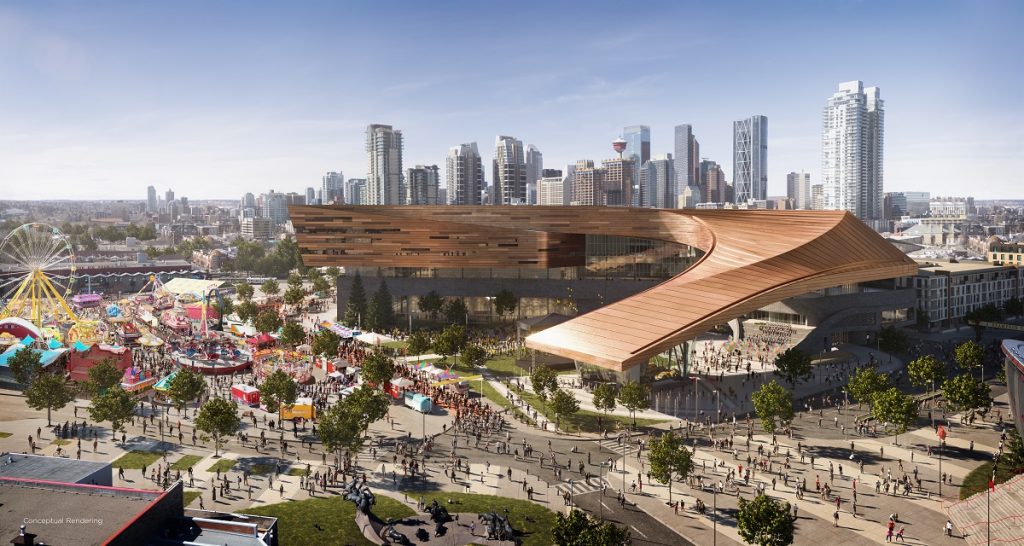
Downtown Calgary has traditionally been a hub for urban and economic expansion. Modern infrastructure is needed to accommodate the city’s growing population and commercial sector. Against this backdrop, numerous big initiatives are underway that will change the cityscape.
Significant projects include revitalizing major thoroughfares and public places. Creating lively, pedestrian-friendly pathways that connect downtown Calgary areas is the goal. These improvements encourage active transportation and community by widening sidewalks, improving green areas, and adding bike lanes.
Large infrastructure expenditures attempt to modernize Calgary’s transportation network. The city’s LRT extension is a key project. Commuters may expect better connection and faster travel around the metro region when lines are extended and built. These improvements reduce traffic and make Calgary more sustainable and accessible.
The skyline is also changing with ambitious high-rise buildings. These architectural wonders will modernize Calgary’s skyline. These developments, from modern office skyscrapers to opulent condos, show Calgary’s bold urban future.
These projects affect Calgary’s economy and quality of life beyond infrastructure. Businesses prosper when building activity boosts the local economy and creates jobs. Improved infrastructure attracts investment, enhancing Calgary’s status as an innovation and commerce powerhouse.
These advancements are exciting, but obstacles and issues remain. Progress must be balanced with Calgary’s cultural and natural legacy. Community participation and sustainable design are necessary to guarantee that these initiatives benefit all Calgarians, present and future.
Downtown infrastructure developments are a major story in Calgary, reflecting expansion and change. It shows the city’s flexibility to changing requirements and goals. It also shows Calgary’s dedication to creating a dynamic and inclusive city.
Calgary Flames’ Recent Win Streak

In recent weeks, the Flames have shown outstanding talent, drive, and collaboration, leading to a victory run that has enthralled sports fans and casual onlookers. The Flames have established their place as a major NHL contender with each win, generating excitement and hope among supporters hungry for the rest of the season.
Hockey fans and the Calgary community have been captivated by the Flames’ victory streak. The Flames’ victories have united Calgarians of all backgrounds in their love of the team, from water cooler to social media.
The Flames’ superb play has contributed to their success. The Flames have outplayed their opponents and won critical games because to a superb group and good leadership from head coach.
Beyond numbers and rankings, the Flames’ victory run means more to Calgary. The team’s success adds inspiration and pride to a period of uncertainty and turmoil, providing a break from daily living and a cause to rejoice.
Additionally, the Flames’ success has boosted local morale and community. Fans who cheer on their team, whether at the Scotiabank Saddledome or in their living rooms, form bonds and share experiences that transcend age, background, and identity, fostering Calgary’s spirit of unity and belonging.
In addition to its emotional impact, the Flames’ success streak has economic repercussions. As the team succeeds in ticket sales, merchandising, and sponsorships, the local economy benefits, boosting companies and neighborhoods.
The Flames are set to capitalize on their recent wins and push for postseason contention. Each game builds anticipation as supporters anxiously await their team’s next performance and triumph.
COVID-19 Vaccination Rollout Updates in Calgary

Calgary, like many other communities, has struggled to manage COVID-19’s impact on public health and the economy. Vaccine research and dissemination gave pandemic fighters hope as infection rates varied and healthcare systems strained.
The Calgary vaccine rollout is a massive operation including government, healthcare, and community groups. From vaccination site installation to human, resource, and logistical mobilization, every part of the rollout has been carefully planned and executed to maximize efficiency and reach.
Focus on the vaccine rollout is due to its direct influence on public health and safety. Each dosage protects people from severe COVID-19 sickness and sequelae, contributing to population herd immunity. This eases the load on healthcare institutions and frontline personnel who have been fighting the virus since its inception.
Additionally, the immunization rollout is linked to Calgary’s commercial reopening and economic revival. Residents and companies anxious to restore normal operations are getting more optimistic as vaccination rates climb and the virus threat decreases. Therefore, the vaccine campaign’s effectiveness is crucial to the gradual return to pre-pandemic activities including events, tourism, and social gatherings.
Aside from its effects on public health and the economy, the vaccine rollout has larger social effects. It shows how scientific innovation and international collaboration may solve global health issues. COVID-19’s quick vaccine development and fair dose distribution across borders demonstrate the value of solidarity and collaboration in times of crisis.
Despite vaccine implementation advances, difficulties and uncertainty remain. Vaccine reluctance, supply chain problems, and novel variations remain major obstacles. To guarantee no neighborhood is left behind, focused outreach and fair distribution tactics are needed due to demographic differences in vaccination access.
The Calgary immunization rollout is dynamic and requires constant observation and adjustment. Public health officials continuously monitor trends and alter policies and priorities to handle new problems and possibilities. The community’s dedication and perseverance inspire the fight against COVID-19, despite the challenges ahead.
Calgary Zoo’s Conservation Efforts Highlighted

The Calgary Zoo, located in the city center, gives endangered animals and ecosystems hope. Through creative initiatives and collaborations, the zoo has become a conservation pioneer, winning praise from conservationists and enthusiasts.
Our objective at the Calgary Zoo is to preserve biodiversity. With over 1,000 animals from over 100 species, the zoo protects endangered species and raises conservation awareness. From stately Siberian tigers to entertaining Western lowland gorillas, the zoo’s residents help protect Earth’s diverse life.
A hallmark initiative of the Calgary Zoo is rescuing the greater sage-grouse, a western North American grassland bird. The greater sage-grouse faces extinction due to habitat loss and fragmentation. The zoo has teamed with conservation organizations and government agencies to undertake a comprehensive recovery effort to restore sage-grouse numbers and habitats due to the severity of the problem.
Using captive breeding and habitat restoration, the Calgary Zoo is battling to save these gorgeous birds. Zoo personnel are raising sage-grouse populations to release them into the wild by mimicking natural circumstances and giving skilled care. This revolutionary program emphasizes the zoo’s commitment to species conservation and the need of collaborative conservation tactics in solving difficult environmental issues.
Besides conservation breeding, the Calgary Zoo does animal research and community engagement. Zoo cooperation with academic institutions and field biologists inform conservation management techniques with scientific information. From animal behavior to ecological dynamics, zoo researchers advance conservation science by expanding our knowledge of nature.
The Calgary Zoo’s teaching programs also encourage environmental stewardship. The zoo inspires awe and love for wildlife via interactive exhibits, educational activities, and outreach events. The zoo is planting the seeds for a sustainable future where humans and animals coexist by teaching conservation ideals to children.
The Calgary Zoo’s conservation activities have a global influence. The zoo works with other zoological institutions and conservation groups worldwide to solve global conservation issues as a member of international conservation networks. From sponsoring field research in isolated jungles to pushing for animal preservation laws, the Calgary Zoo drives worldwide change.
Calgary’s Economic Recovery Initiatives
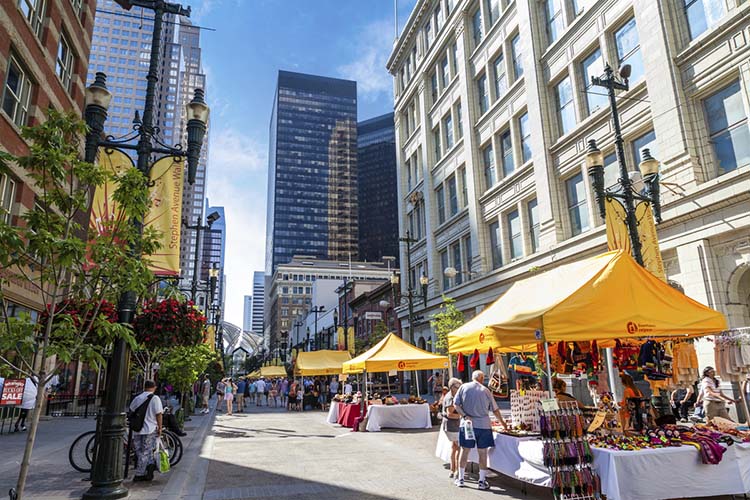
Calgary’s economic revival emphasizes diversity. The energy-dependent city has realized it must diversify its economy to weather future shocks and survive in a fast-changing global economy. Programs and incentives have been created to promote developing industries including technology, renewable energy, and healthcare. Calgary wants to attract investment and talent by encouraging innovation and entrepreneurship.
Calgary’s economic resurgence also prioritizes infrastructure investment. Understanding the importance of infrastructure in economic growth and quality of life, the city has launched ambitious initiatives to modernize its transit networks, improve connectivity, and revitalize urban spaces. These initiatives boost productivity and competitiveness, creating short-term jobs and laying the groundwork for economic growth.
Calgary prioritizes small enterprises and startups along with diversity and infrastructure investment. Because small businesses are the backbone of the local economy, several initiatives offer them cash, coaching, and resources. Calgary wants to boost innovation, job creation, and economic growth by supporting small companies and startups.
Calgary’s economic recovery efforts emphasize sustainability and resilience. As the globe faces climate change and environmental deterioration, the city is establishing a sustainable and resilient economy. Supporting renewable energy, sustainable business practices, and green infrastructure are needed. Calgary reduces environmental hazards and leads the green economy by adopting sustainability.
Calgary’s Real Estate Market Trends
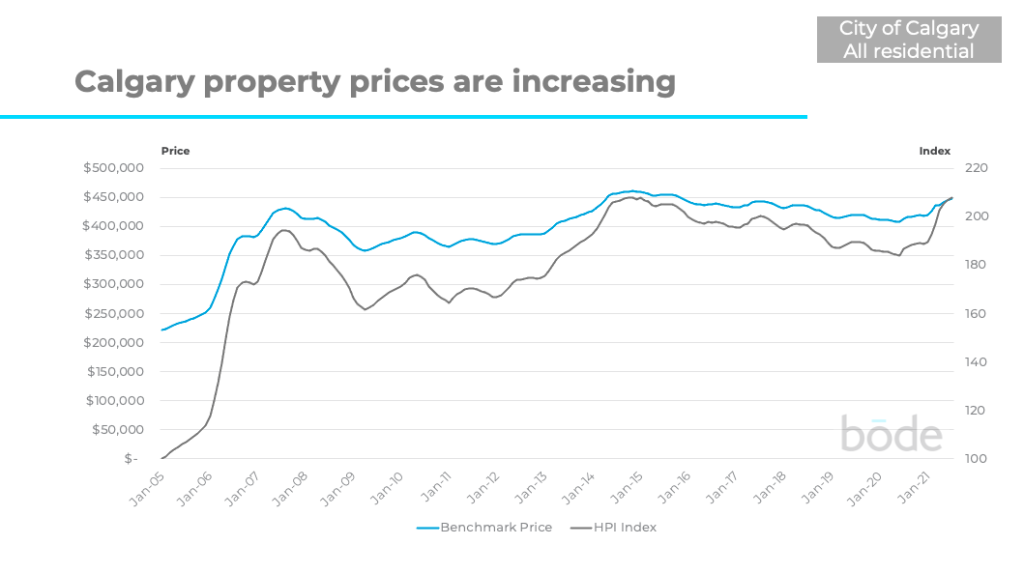
Recent Calgary real estate market variations have been caused by economic conditions, population expansion, government regulations, and worldwide market patterns. Policymakers, industry professionals, and potential homebuyers and sellers must understand these developments and their ramifications.
Calgary’s real estate market is influenced by house price fluctuations. Calgary, like other large Canadian cities, has had fast price increase followed by stabilization or fall. Demand, supply, interest rates, and economic outlook affect this volatility.
Another major development is changing homebuyer preferences. As demographics and lifestyles change, condos in metropolitan districts, townhouses in suburbs, and single-family homes in established communities are in demand. Developers and real estate salespeople must understand these preferences to meet market demand.
Calgary’s rental market has also been trending. With a growing population and workforce mobility, rental homes help meet people’ diversified housing demands. However, rental cost and availability have raised concerns about rent control, affordable housing, and landlord-tenant laws.
External influences affect Calgary’s real estate market. Global economic conditions, geopolitical events, and environmental variables affect investor sentiment, market liquidity, and property values. Since Calgary is an energy center, oil price swings can affect the local economy and real estate market.
Calgary real estate is also shaped by government laws and regulations. Taxation, zoning, land use planning, and mortgage lending affect property prices, affordability, and market stability. Industry stakeholders must stay current of legislative and regulatory changes to manage the changing regulatory environment.
Calgary’s real estate market is resilient and adaptable despite these trends and dynamics. Even during economic downturns, demographic upheavals, and market uncertainty, the city’s housing market has rebounded and reinvented itself. Due to its diverse economy, strategic location, and quality of life, the city has survived.
Calgary’s real estate market will be influenced by various things. Population growth, urbanization, infrastructure spending, and technology will affect housing demand, development, and investment prospects. In addition, sustainable development, affordable housing, and inclusive communities will help create a strong real estate market.
Calgary’s Efforts to Combat Climate Change

As temperatures rise and extreme weather occurrences increase, towns worldwide must handle climate change. Calgary, a major oil hub, has faced this difficulty. Instead, the city has prioritized innovation and sustainability to reduce environmental effect.
Calgary prioritizes renewable energy to fight climate change. The city is shifting to wind and solar electricity. This change minimizes greenhouse gas emissions and boosts energy independence and climate resilience.
Calgary has also invested in carbon-reducing infrastructure. From expanding public transit to adding bike lanes and pedestrian-friendly routes, the city prioritizes sustainable mobility. Calgary promotes alternative transportation to reduce fossil fuel use and traffic, furthering its environmental goals.
Calgary has been improving building energy efficiency and reducing transportation emissions. The city encourages property owners to install energy-efficient appliances, improve insulation, and use renewable energy through incentives and restrictions. These measures reduce carbon footprints and save people and companies money over time.
Calgary is also educating its population about climate change and encouraging action. The city provides educational programs, workshops, and outreach activities to encourage ecologically responsible living. Calgary is establishing a climate-resilient community by promoting sustainability.
Calgary’s climate change efforts go beyond city bounds. The city actively supports regional and worldwide environmental projects. Calgary is using its power to make a difference through collaborations with other municipalities, non-profits, and climate summits.
Despite these efforts, Calgary has unique difficulties and possibilities as an oil sector leader. The low-carbon economy offers economic prospects and possible disruptions to conventional sectors. Calgary is seeing this change as an opportunity to diversify its economy, generate employment, and lead the way to a sustainable future.
Calgary’s Cultural Events and Festivals Calendar

Calgary has music festivals, art exhibitions, gourmet events, and multicultural festivities year-round. The Cultural activities & Festivals Calendar captures the spirit of this lively city with a diverse array of activities.
The Cultural Events and Festivals Calendar’s importance in community participation and civic pride makes it a top Calgary news story. The calendar encourages Calgarians to celebrate their heritage and embrace others by exhibiting the city’s rich cultural variety.
The calendar also boosts tourism and the local economy. Calgary invites tourists from throughout the world to enjoy its year-round cultural activities. From the Calgary Stampede to the Folk Music Festival, these events bring crowds and boost local hospitality, shopping, and entertainment.
Calgary citizens benefit culturally from the Cultural Events & Festivals Calendar as well as economically. The calendar promotes communal solidarity by offering a variety of creative and cultural events. Calgarians have many possibilities to expand their horizons and engage with their fellow people, such as attending a local theatrical performance or a culinary festival.
Through the Cultural Events and Festivals Calendar, budding artists and cultural groups may display their abilities and reach a broader audience. The calendar keeps Calgary’s cultural landscape fresh and innovative by including both renowned and emerging artists.
The Cultural Events and Festivals Calendar showcases Calgary’s variety and cross-cultural understanding, from the International Film Festival to the colorful Diwali and Lunar New Year celebrations. In a time of social and political differences, these events demonstrate the potential of culture to develop empathy and respect.
Calgary’s Transportation and Traffic Updates

Traffic congestion has become a major concern in Calgary’s busy streets. Drivers in metropolitan and suburban areas sometimes wait in huge lines, causing annoyance and delays. This issue impacts motorists and the city’s economy and ecology. Congested roadways lose time, increase fuel consumption, and pollute the air, compromising Calgary’s sustainability and livability.
Calgary has seen various transportation-related advancements in recent months. Authorities are researching infrastructure enhancements and novel traffic management methods to reduce congestion and improve mobility. Advanced technologies are used in smart traffic management systems to monitor and optimize vehicle flow across major routes. These systems use real-time data and predictive analytics to identify traffic bottlenecks and dynamically change signal timings, decreasing delays and enhancing efficiency.
Calgary also invests on public transit as a sustainable alternative to cars. These initiatives have focused on expanding the city’s bus and LRT networks to give people dependable and convenient travel choices. Improved connection and frequency of services boost public transport utilization and reduce traffic and greenhouse gas emissions. As Calgary grows, investing in accessible, eco-friendly transportation infrastructure is crucial for its future.
These initiatives don’t stop Calgary’s transportation scene from changing. Rapid urbanization, shifting commuting patterns, and new technology present city planners and politicians with possibilities and challenges. A comprehensive, forward-thinking strategy that promotes efficiency, safety, and sustainability is needed to balance the requirements of automobiles, pedestrians, bicycles, and public transit users.
Calgary’s Transportation and Traffic Updates have drawn attention from people, companies, and legislators due to these changes. Transportation concerns are becoming one of Calgary’s top news topics, underscoring their importance in defining the city’s future. Transportation discussions continue to include infrastructure expenditures, public transit improvements, and traffic control techniques.
Transportation improvements typically affect urban planning, environmental sustainability, and economic growth in Calgary. Decisions in this area affect land usage and community livability. Commuters and Calgary’s well-being depend on remaining informed about transportation changes.