
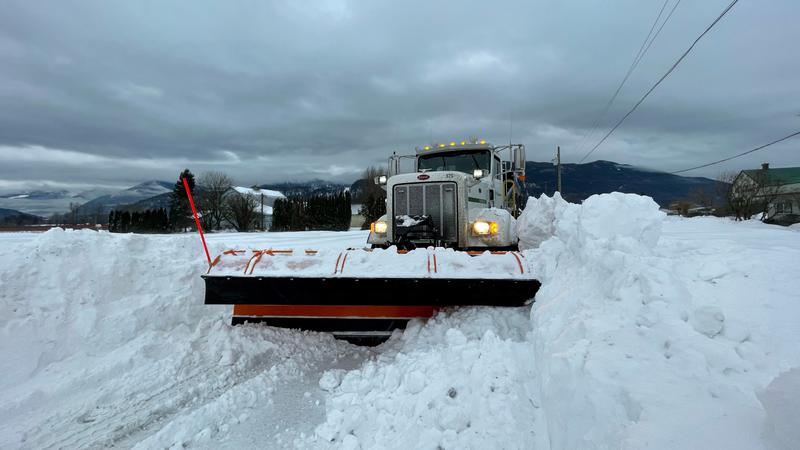
Winter weather in British Columbia’s Lower Mainland is often underestimated. While snowfall totals may be lower than in other regions of Canada, fluctuating temperatures, freezing rain, and compacted snow can create hazardous conditions for residential communities. In cities like Chilliwack, where townhomes, condos, and multi-unit properties are common, professional snow removal services play an important role in maintaining safety and accessibility. Providers such as https://www.onlystrata.ca focus on helping communities manage winter conditions with structured, dependable snow management solutions.
As winter weather becomes increasingly unpredictable, understanding how snow removal, snow plowing, and snow clearing are handled locally can help property managers and strata councils make informed decisions.
Lower Mainland Winter Weather Presents Unique Challenges
The Lower Mainland’s winter climate differs significantly from colder interior regions. Snowfall is often wet and heavy, and temperatures regularly hover around freezing. These conditions lead to frequent freeze-thaw cycles that can turn light snow into dense ice overnight.
In Chilliwack and surrounding communities, this type of weather affects sidewalks, internal roads, parking areas, and pedestrian pathways. Snow that is not cleared promptly can become compacted, making it more difficult to remove later and increasing the risk of slips and falls. Snow removal services designed for local conditions are better equipped to address these challenges efficiently.
Why Snow Removal Services Matter for Residential Communities
Snow and ice management is about more than appearance. Even minimal accumulation can create safety issues, particularly in shared residential environments. Snow removal services help ensure:
- Walkways and entrances remain accessible
- Drive lanes and parking areas stay usable
- Emergency routes are kept clear
- Risks associated with icy surfaces are reduced
In Chilliwack, snow removal services often need to respond quickly to overnight snowfall or early-morning freezing events. Professional crews monitor weather conditions and apply snow clearing or de-icing measures before hazards escalate.
The Importance of Snow Plowing and Snow Clearing
Effective winter maintenance relies on a combination of snow plowing and snow clearing, each serving a distinct purpose.
Snow plowing is typically used for wider areas such as drive aisles, internal roads, and parking lots. Keeping these areas clear allows residents to access their homes safely and ensures vehicles can move without obstruction.
Snow clearing focuses on pedestrian areas, including sidewalks, stairways, ramps, and entry points. These zones often experience the highest foot traffic and present the greatest risk during icy conditions. Consistent snow clearing reduces hazards in these high-use areas and supports safer daily movement within residential properties.
A coordinated approach to snow plowing and snow clearing is especially important in strata communities, where both vehicle and pedestrian safety must be considered simultaneously.
What to Look for in Professional Snow Removal Services
Not all snow removal services operate at the same level. In the Lower Mainland, experienced providers often distinguish themselves through planning, monitoring, and documentation. Common features of professional snow removal services include:
- Ongoing weather tracking to anticipate snow and ice events
- Automatic dispatch during storms rather than reactive scheduling
- Service documentation such as time-stamped photos and route tracking
- Adequate salt and de-icing supplies during high-demand periods
These operational practices help ensure consistency during winter events and provide reassurance for property managers who are responsible for resident safety.
Snow Removal in Chilliwack Requires Local Knowledge
Chilliwack’s mix of residential developments creates specific snow management needs. Many communities include shared driveways, narrow access points, internal roads, and pedestrian-heavy spaces. Snow removal in Chilliwack must be adapted to these layouts to avoid congestion or surface damage.
Local experience allows snow removal crews to understand which areas require priority attention and how weather patterns typically impact the region. Providers offering snow removal services Chilliwack residents rely on are often familiar with elevation changes, shaded areas prone to icing, and the timing of overnight freeze events.
For communities seeking specialized coverage, https://www.onlystrata.ca/snow-removal-chilliwack provides snow removal services tailored to local residential environments, focusing on consistency and preparedness throughout the winter season.
The Risks of Inadequate Snow Management
When snow removal is delayed or inconsistent, the consequences can extend beyond inconvenience. Common risks associated with inadequate snow management include:
- Increased likelihood of slip-and-fall incidents
- Higher exposure to insurance or liability claims
- Damage to surfaces caused by improper clearing methods
- Resident dissatisfaction during prolonged winter events
Professional snow removal services help reduce these risks by establishing clear service plans and maintaining consistent coverage during snow and ice conditions.
Planning Ahead for Winter in the Lower Mainland
One of the most effective ways to manage winter conditions is early preparation. Securing snow removal services before the season begins allows communities to confirm availability, review site-specific needs, and set expectations in advance.
In the Lower Mainland, where winter weather can change quickly, advance planning ensures snow plowing and snow clearing are handled proactively rather than reactively. For strata councils and property managers in Chilliwack, having a structured snow removal plan in place contributes to safer conditions and smoother winter operations.
As winter approaches, professional snow removal remains an essential service for residential communities across the region. With the right preparation and experienced support, managing snow and ice becomes a predictable process rather than a seasonal challenge.